Limestone: Soft Stone, Warm Colour, and Where It Belongs
3 November 2026 · Husain Vajihi, founder of 1-OPH
Short answer: Limestone is a soft, warm, porous stone that suits fireplaces, shaded courtyard fountains and interior pieces in the UAE. It is easier to carve than marble and has a calm, matte look, but it stains and scratches more easily. Seal it well, keep it out of heavy irrigation, and choose a harder stone for exposed, high-wear spots.
Limestone is the stone I recommend most often for fireplaces, and the one I talk people out of most often for exposed outdoor pieces. Both for the same reason: it is soft, and softness is a gift in some places and a problem in others.
Here is how I think about where it belongs.
What is limestone, and how is it different from marble?

Limestone is a sedimentary stone, formed from compressed shell and mineral deposits. Marble is limestone that has been transformed by heat and pressure into a denser, crystalline stone. That is why marble takes a high polish and limestone stays naturally matte and soft to the eye.
In practice, limestone is warmer and quieter than most marbles: creams, beiges, soft greys. It has little dramatic veining. If you like the look of travertine but want fewer holes, limestone is usually what you are after. The same family of stone is covered in our guide to travertine.
Why does limestone work so well for fireplaces?

Because it carves beautifully and looks right in a calm room. Limestone takes soft mouldings, deep profiles and simple monolithic shapes equally well, and its matte surface suits both traditional mantels and modern minimal surrounds.
It also handles the heat from electric and bioethanol units well when the surround is properly designed and the firebox is set back. The things to protect against are soot marks and spills, which soak into a porous surface faster than into marble. A good sealer and a little care deal with both. The choice of fireplace style is in our guide to sculptural fireplaces.
Is limestone porous, and does that matter?

Yes and yes. Limestone absorbs liquids more readily than marble or granite, so coffee, oil, wine and even water can leave marks if they sit on the surface. Acidic things, including lemon, vinegar and many bathroom cleaners, etch it.
Sealing slows absorption down but does not make the stone waterproof. Indoors, wipe spills quickly and use coasters. Outdoors, porosity also means limestone can take on stains from irrigation water, leaves and soil if they sit against it.
Can a limestone fountain go outdoors in the UAE?

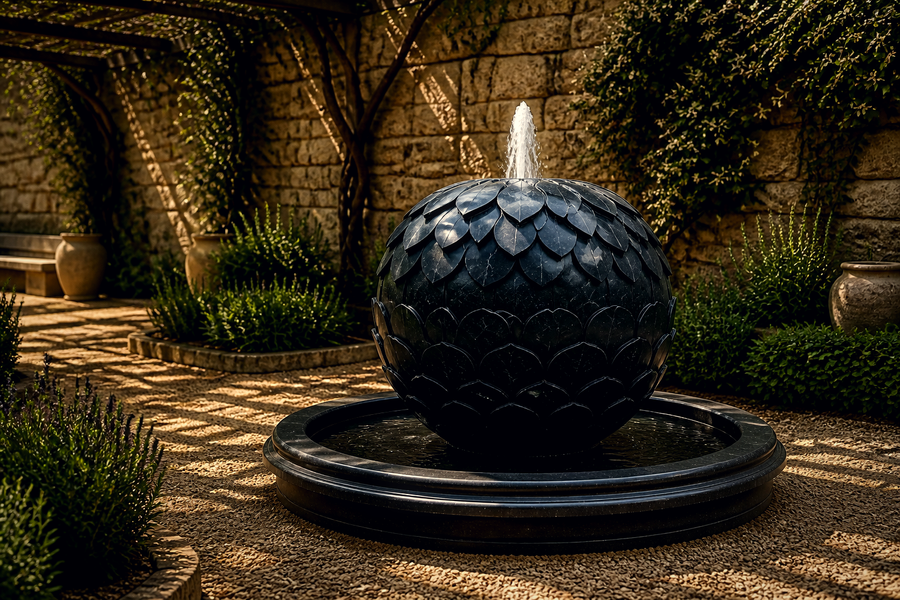
Yes, with the right placement. A limestone fountain in a shaded courtyard or covered terrace looks wonderful and lasts well. The water keeps the surface clean, and the soft colour suits evening light.
Where I am careful is full sun next to sprinklers and planting. There the stone can collect mineral marks from evaporating water, stains from soil, and algae in shaded corners. Keep the water topped up and clean, reseal regularly, and the stone will age gently. The routine is in our fountain maintenance guide.
When should I choose a harder stone instead?

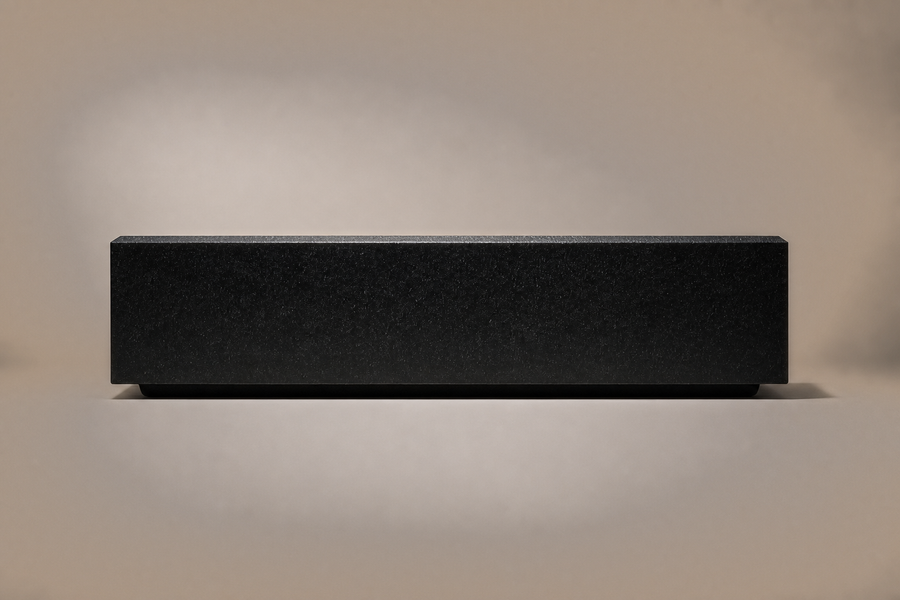
Where a piece will be knocked, walked on, sat on or splashed constantly. Limestone edges chip more easily than granite or most marbles, and the surface scratches. For a busy hotel lobby, a pool edge, or a bench in a public space, I would usually suggest granite or a dense marble.
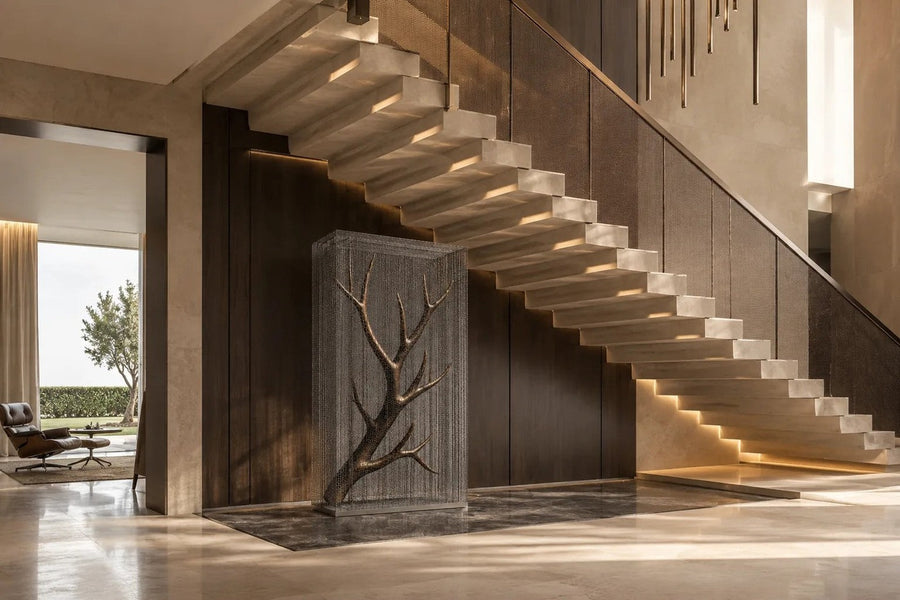
For a fireplace surround, a shaded wall fountain or an interior sculpture that is looked at more than touched, limestone is ideal. Our material comparison guide helps when you are weighing up stone against metal.
How do I look after limestone?

Clean it with water and a pH-neutral stone cleaner, never with acids, bleach or abrasive powders. Dust and wipe interior pieces regularly. Check the sealer once or twice a year by dropping a little water on the surface: if it darkens the stone quickly instead of beading, it is time to reseal.
For outdoor limestone, add a gentle wash after sandstorms and keep sprinklers pointed away from it. The full year-round routine for outdoor stone is in our outdoor marble care guide, and the same principles apply.
What I tell clients
- Limestone for fireplaces, shaded fountains and interior pieces.
- Granite or dense marble for high-wear and fully exposed spots.
- Seal it, and test the sealer with a few drops of water once or twice a year.
- No acids, bleach or abrasive powders, ever.
- Keep sprinklers and soil away from outdoor limestone.
Frequently asked questions
Is limestone good for a fireplace?
Yes. It carves well, suits both traditional and modern designs, and handles electric and bioethanol units well when the surround is properly designed. Seal it against soot and spills.
Is limestone the same as marble?
No. Marble is limestone transformed by heat and pressure into a denser stone. Limestone is softer, more porous and naturally matte.
Can limestone be used outdoors in the UAE?
Yes, ideally in shade. Seal it, keep irrigation off it and clean it gently. In full sun next to sprinklers it can stain.
Does limestone stain easily?
More easily than marble or granite, because it is more porous. Sealing slows absorption, and spills should be wiped quickly.
How do I clean limestone?
With water and a pH-neutral stone cleaner. Never use acid, vinegar, bleach or abrasive powders, which etch or scratch the surface.
See limestone fireplaces and fountains in our fireplaces and water features, or read more about the stones we use on our marble page.
1-OPH designs and delivers bespoke sculpture, water features, fireplaces, benches and planters in marble, stainless steel and bronze, for homes, hotels and developments across the UAE and GCC. Showroom in Al Quoz, Dubai.