Contemporary or Traditional Fireplace Surround: How to Choose the Style
9 November 2026 · Husain Vajihi, founder of 1-OPH
Short answer: Choose a fireplace surround by reading the room. Traditional surrounds with mantels and mouldings suit classical villas with cornices and panelling; contemporary surrounds with clean lines or no shelf suit modern rooms. Then match the stone to the floor and walls, and size the surround to the ceiling height, not just the firebox.
Fireplace surrounds split our clients into two camps very quickly. Some want the carved mantel they remember from a hotel in Europe. Others want a slab of stone with a slot in it and nothing else. Both are right, in the right room.
The mistake is choosing the style from a photo instead of from the room. Here is how I help clients decide.
How do I read my room before choosing a style?

Look at the architecture you already have. Cornices, ceiling roses, panelled walls, arched windows and classical doors all point to a traditional surround. Flush ceilings, shadow gaps, large glass and minimal skirting point to contemporary.
Many Dubai villas sit in between: a classical exterior with a modern interior, or the reverse. In those rooms, a transitional design works best, with simple mouldings, a slim shelf and a calm stone. It belongs to both.
What defines a traditional fireplace surround?

A clear frame around the opening: legs, a frieze across the top and a mantel shelf, often with carved mouldings, corbels or fluting. Traditional surrounds are usually in white or cream marble, sometimes in limestone, and they carry a sense of history into a new house.
They need space. A carved mantel in a room with low ceilings looks heavy. In a double-height living room with classical detailing, it looks like it has always been there. Browse our traditional fireplaces to see the range of profiles. Any of them can be adjusted in size or stone; the steps for a made-to-measure surround follow our commission process.
What makes a fireplace contemporary?

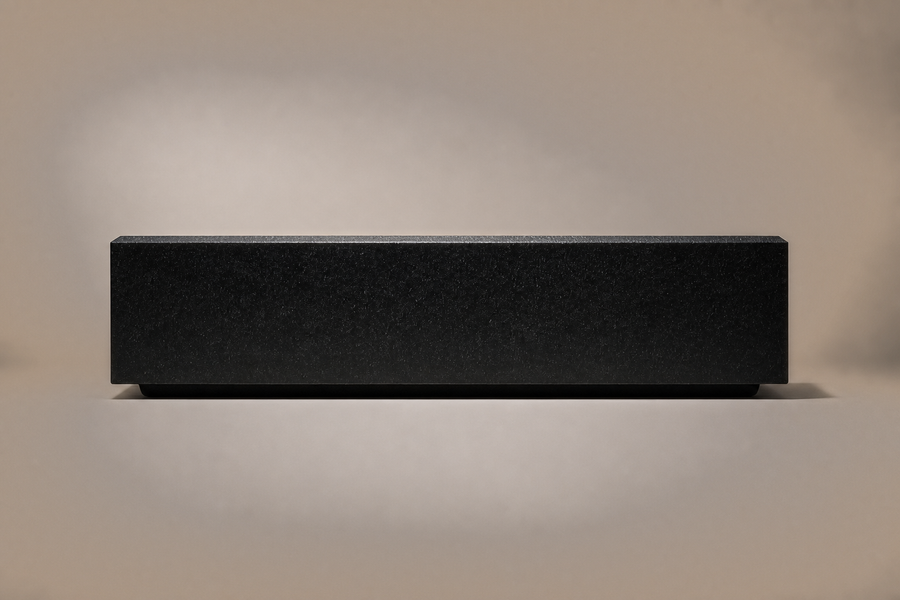
Simplicity. A contemporary surround is usually a clean frame, a monolithic slab or a sculptural form, with no shelf or a very thin one. The stone itself does the work, so dramatic veining and bookmatched slabs come into their own.
Contemporary surrounds can run wide and low, or tall and narrow, or wrap the whole wall. They suit linear electric units and modern furniture. Our contemporary fireplaces show how far the idea stretches.
Should my fireplace have a mantel shelf?

Only if you'll use it. A mantel shelf invites objects: candles, frames, a piece of art leaning against the wall. If you love styling a shelf, have one. If you prefer a clean wall, leave it off.
The shelf also changes the proportions. It creates a horizontal line that lowers the visual height of the fireplace, which helps in a tall room and hurts in a low one. If the TV is going above, a shelf can provide a natural break between the two.
Which stone suits which style?

Traditional: white and cream marbles, Carrara, Calacatta and warm limestones, honed or softly polished. Contemporary: bolder stones work well, including dark marbles, strongly veined slabs and travertine, often honed for a calmer look.
Whatever the style, match the stone to the floor and the walls around it, and view samples in your own light. Our guide to limestone and honed vs polished marble explain the differences.
How big should a fireplace surround be?

Size it to the wall and the ceiling, not just the firebox. A surround that suits a 2.8 m ceiling looks lost under a 5 m one. In tall rooms, extend the stone upward, add an overmantel, or choose a wider surround so the fireplace holds the wall.
We draw the surround on your actual wall at scale before anything is cut, so you can see the proportion with the furniture in front of it. Practical sizes and units are covered in our buyer's guide to bespoke marble fireplaces, and placement in where a fireplace works in a Dubai villa.
What I tell clients
- Choose the style from the room's architecture, not a photo.
- Transitional designs suit villas that are part classical, part modern.
- Have a mantel shelf only if you'll use it.
- Match the stone to the floor and walls, and test samples in your light.
- Size the surround to the wall and ceiling height.
Frequently asked questions
What is the difference between a contemporary and a traditional fireplace?
Traditional surrounds have a framed opening, frieze, mantel shelf and mouldings. Contemporary surrounds are simple frames, slabs or sculptural forms, often without a shelf.
Which fireplace style suits a modern Dubai villa?
Usually a contemporary or transitional surround with clean lines and a calm or boldly veined stone, depending on the room.
Does a fireplace need a mantel shelf?
No. Include one if you want to display objects or need a break below a TV; leave it off for a cleaner wall.
What marble is best for a fireplace surround?
White and cream marbles and limestone suit traditional designs; bolder veined, dark or honed stones suit contemporary ones.
How do I choose the size of a fireplace surround?
Size it to the wall and ceiling height as well as the firebox. In tall rooms, go wider or extend the stone upward.
See our contemporary and traditional fireplaces, or send us a photo of your wall through the customise page and we will draw a surround on it.
1-OPH designs and delivers bespoke sculpture, water features, fireplaces, benches and planters in marble, stainless steel and bronze, for homes, hotels and developments across the UAE and GCC. Showroom in Al Quoz, Dubai.