
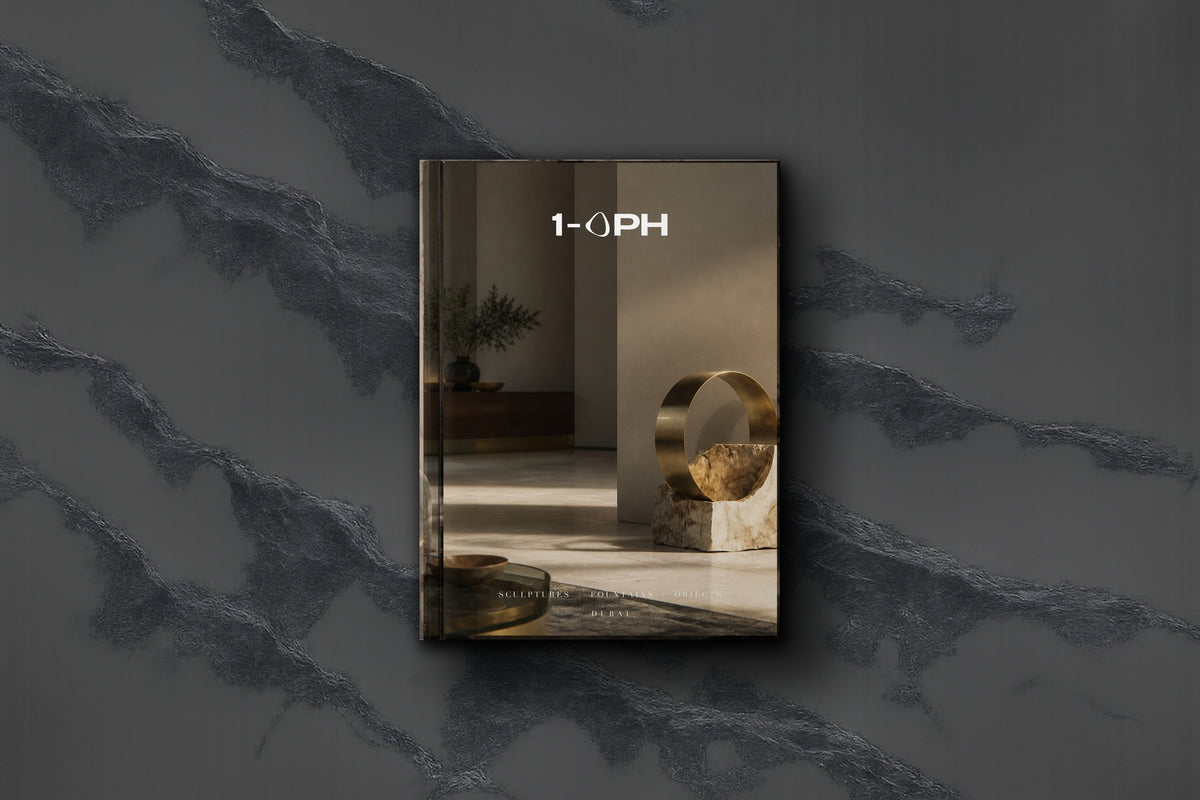
Some of the most striking sculpture combines materials, setting stone against metal to do what neither can alone. A cool marble against warm bronze, a matte stone against mirror steel, the weight of one material against the light of another — contrast is a tool, and mixed-material pieces use it to create tension, depth and drama. But combining materials is also the most demanding kind of fabrication, because different materials move, weather and join differently. This guide covers why mixed-material sculpture works, the pairings that succeed, and the craft required to make them endure.

Why combine materials

A single material has one voice; combining materials creates a conversation. The contrast between stone and metal — in colour, temperature, weight and finish — gives a piece tension and depth that a single material cannot.
Contrast also directs the eye. A bronze element against a marble body draws attention exactly where the maker wants it; a polished steel detail catches light against a matte stone form. Material becomes a compositional tool, used to emphasise, frame or punctuate.
And combination expands expression. A piece can be grounded and permanent in stone while light and dynamic in metal, carrying two registers at once — a range that makes mixed-material work some of the most distinctive a maker can produce.
The pairings that work

Certain combinations are especially strong:
- Marble and bronze — the classic pairing: cool stone against warm metal, weight against warmth, timeless and rich.
- Marble and stainless steel — stone against mirror or brushed metal, ancient against modern, matte against reflective; a striking contemporary contrast.
- Bronze and steel — warm against cool metal, patina against polish, subtle and sophisticated.
- Stone and stone — different marbles or stones combined, contrasting colour and veining within a single material family.
The best pairings are deliberate, not decorative — chosen because the contrast does something for the form, not simply because two materials are present.
Contrast as composition

Mixed-material work lives or dies on the balance of the contrast. Too even, and the materials compete; too unbalanced, and one is merely a detail on the other. The strongest pieces establish a clear relationship — a dominant material and a supporting one, or a considered dialogue between equals.
Finish amplifies or softens the contrast. A polished bronze against a polished marble reads rich and formal; a patinated bronze against a honed stone reads quiet and earthy. The finishes are chosen together to tune the relationship.
Scale and placement of each material within the piece are part of the composition — where the metal meets the stone, how much of each is seen, which material carries the base and which the crown.
The craft of joining materials


Combining materials is the hardest fabrication, because different materials behave differently. Stone and metal expand at different rates with heat, carry weight differently, and must be joined so the connection is secure, invisible and able to accommodate movement.
This is engineering as much as art. The joints, fixings and internal structure are designed so the materials work together over decades without cracking, loosening or staining — hidden connections that hold the piece as one object.
For outdoor mixed-material pieces in the Gulf, the challenge compounds: each material must be specified for sun, heat and salt, and the junctions must survive thermal movement and weathering. This is precisely the kind of work that separates a serious atelier from a fabricator — and why mixed-material commissions are best entrusted to makers who understand both stone and metal deeply.
FREQUENTLY ASKED QUESTIONS
Can a sculpture combine different materials?
Yes, and some of the most striking pieces do. Combining stone and metal creates contrast in colour, temperature, weight and finish that gives a piece tension and depth a single material cannot, and lets it carry two registers at once.
What materials combine well in sculpture?
Strong pairings include marble and bronze (cool stone against warm metal), marble and stainless steel (matte against reflective, ancient against modern), bronze and steel (patina against polish), and contrasting stones within one family.
Why is mixed-material sculpture harder to make?
Because different materials expand, carry weight and weather differently. They must be joined with hidden connections that stay secure and accommodate movement over decades — engineering as much as art, especially for outdoor pieces exposed to Gulf heat and salt.
How do you balance two materials in one piece?
Through a clear relationship — a dominant material and a supporting one, or a considered dialogue between equals — with finishes chosen together to tune the contrast, and the scale and placement of each material treated as part of the composition.
Are mixed-material pieces suitable for outdoors?
Yes, when properly engineered. Each material is specified for sun, heat and salt, and the junctions are designed to survive thermal movement and weathering — work best entrusted to an atelier that understands both stone and metal.
1-OPH is an art atelier based in Al Quoz, Dubai. We design and fabricate bespoke sculpture, water features, and architectural art in marble, stainless steel, bronze, and mixed materials — for private residences, hospitality projects, and developments across the UAE and GCC.

Share:
Placing Sculpture in Hospitality Spaces: Lobbies, Restaurants and Suites
Bespoke Fire Features and Fire Pits for Gulf Outdoor Spaces